Battery Energy Storage: A Buyer's Guide to Specs, Cabling and Sourcing
How installers and EPCs should evaluate battery energy storage systems: usable capacity, cycle-life test conditions, certifications, cabling and lead times.
By Xinya Power editorial team
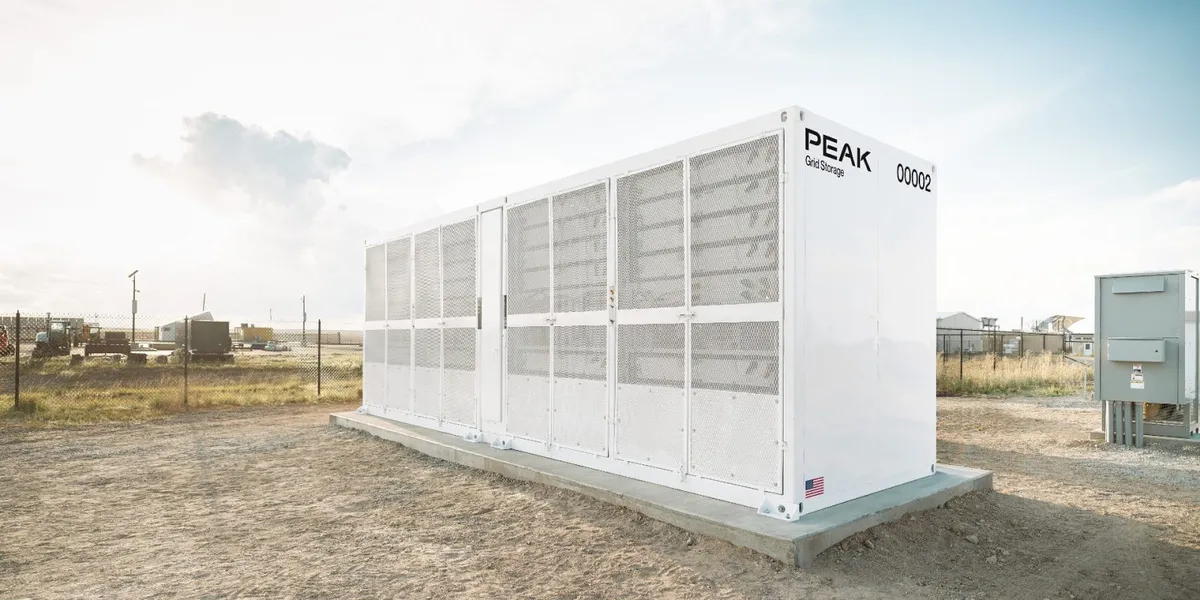
Image: Electrek
Battery energy storage is a complete system — cells, BMS, thermal management, inverter and cabling — not a cell count on a datasheet. To choose correctly, compare systems on usable kWh, cycle-life test conditions, safety certifications and the DC cabling that ties the battery to the inverter. This guide walks professional buyers through those checks, then shows how to request a sized configuration.
What is driving demand right now
Utility and commercial interest in storage is broadening beyond lithium. GM has partnered with Peak Energy to develop sodium-ion cells aimed at grid-scale storage rather than EVs, with GM Ventures investing in the company (Electrek). That signals more chemistry options ahead, but LFP remains the mainstream choice for home and C&I systems today.
Deployment is accelerating in mature markets. Germany added roughly 8.2 GWh of new battery storage between January and September 2026, a 91% increase, with large-scale systems accounting for about three quarters of the growth (Energy News). At the same time, the residential segment is consolidating: sonnen filed for insolvency in Germany while reporting doubled US sales (Electrek). For buyers, that is a reminder to check supplier longevity and warranty backing, not only price per kWh.
Specifications that actually matter
Usable vs nominal capacity. Ask for usable kWh at the stated depth of discharge and end-of-life threshold. A 10 kWh nameplate pack may deliver less once reserve and degradation margins are applied.
Cycle life and test conditions. A “6,000 cycles” claim means little without the C-rate, temperature, depth of discharge and capacity-retention criterion. Request the test report, not just the headline number.
Safety and transport certification. For LFP systems, IEC 62619 is the baseline cell and pack safety standard; UN38.3 is required for shipping. For larger cabinets and containers, UL 9540A cell-level fire propagation testing is increasingly requested by insurers and authorities. Confirm certificates cover the exact model you are buying.
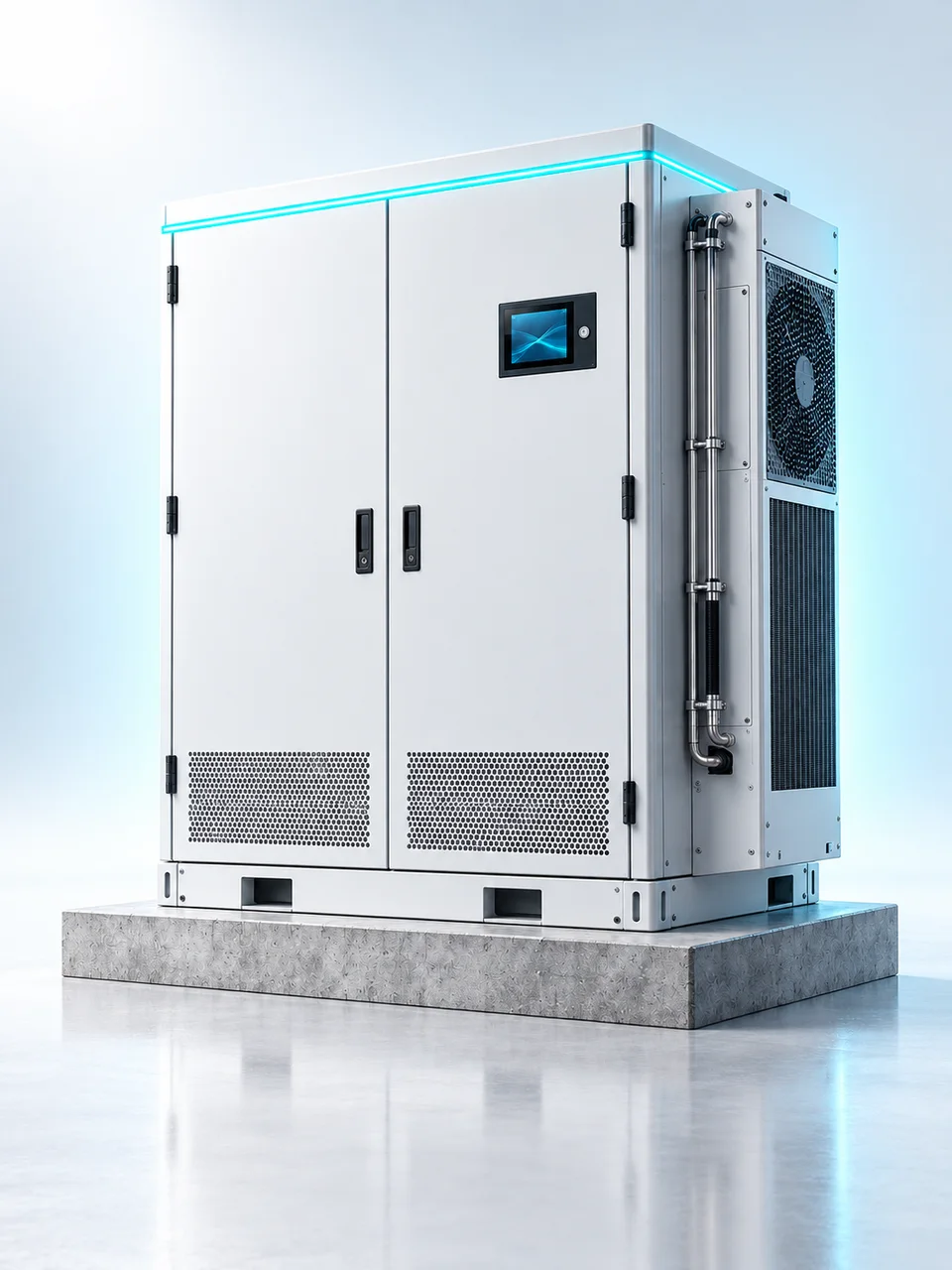
Environmental rating and thermal design. Outdoor C&I cabinets need a defined IP rating and a thermal strategy — air-cooled or liquid-cooled — matched to local ambient temperatures. Liquid-cooled cabinets hold tighter cell temperature spread, which supports cycle-life claims.
Warranty structure. Check whether the warranty covers throughput (MWh cycled), years, or both, and who performs service in your country.
Typical configurations and cabling
Match the architecture to the site:
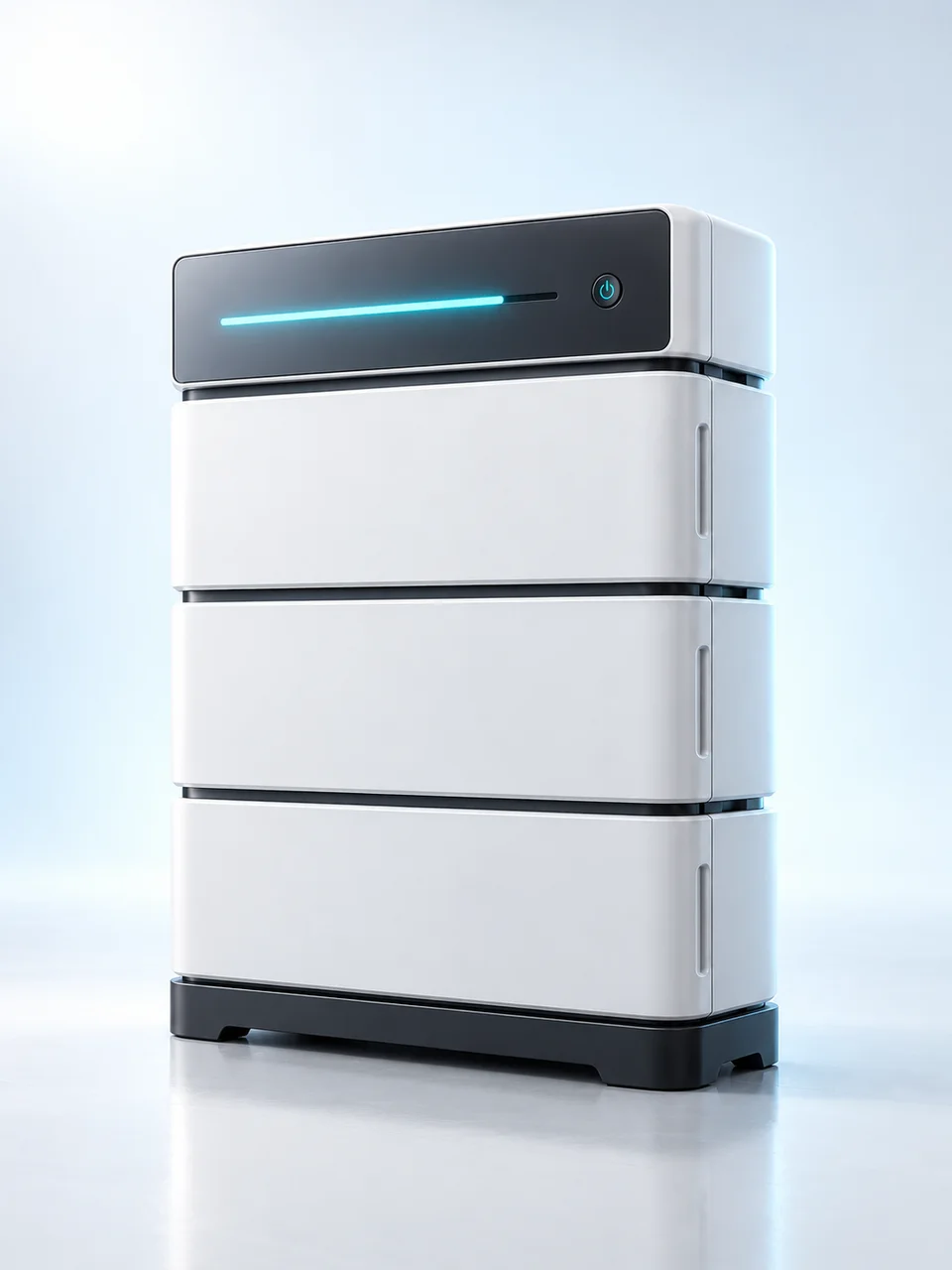
- Home: 5–10 kWh wall-mounted or stackable LFP packs with a hybrid inverter. Our Stackable Home Battery 5.12 / 10.24 kWh grows module by module; the Wall-Mounted LiFePO4 Battery 51.2 V 100 Ah suits tight plant rooms.
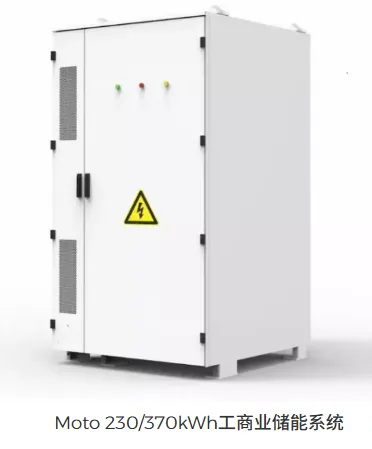
- C&I: 60–400 kWh cabinets for peak shaving and solar shifting. The Liquid-Cooled C&I Battery Cabinet 372 kWh is outdoor-ready; the Solar Vigour All-in-One Hybrid ESS 30 kW / 60 kWh · 40 kW / 80 kWh bundles inverter, battery and fire protection.
- Off-grid: pair LFP banks with a solar-first inverter such as the G-Series Off-Grid Inverter 3.5 kW / 5.5 kW.
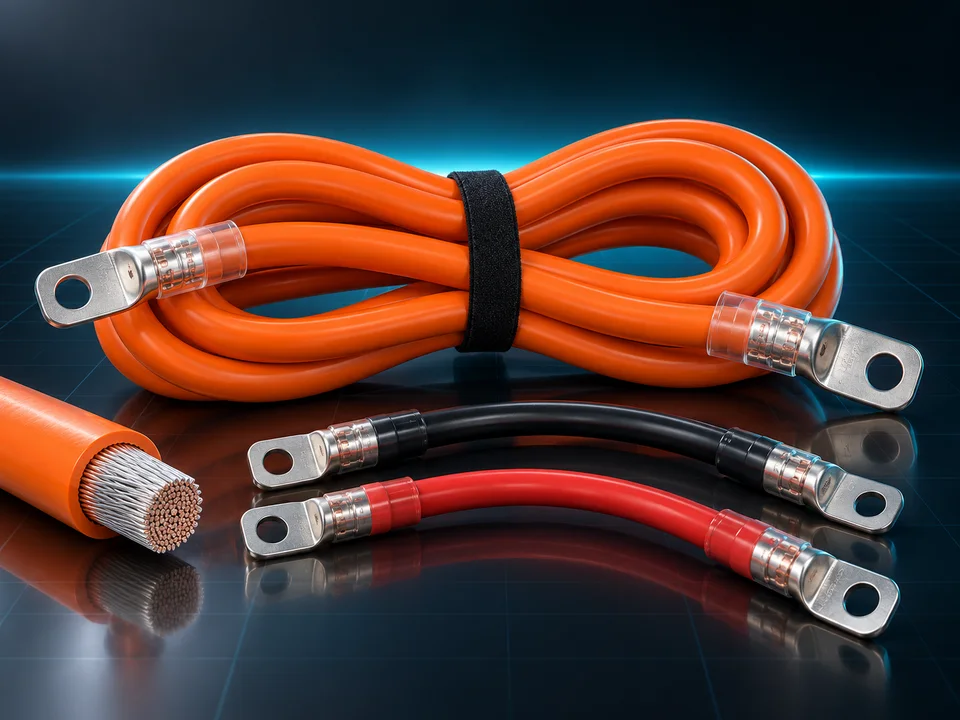
Cabling is where many projects lose efficiency or fail inspection. Specify DC interconnect cable rated for the system voltage — 1,500 V DC for rack-based ESS — with flexible conductors for tight bends and correct lugs. Our ESS Battery Interconnect Cable 1,500 V DC is built for rack and jumper duty, while the 0.6/1 kV XLPE Power Cable for ESS covers inverter-to-switchboard runs sized for continuous current. On the PV side, use EN 50618 cable such as H1Z2Z2-K Solar PV Cable 1.5 kV DC to keep the whole DC chain consistent. Size conductors for continuous current plus voltage drop, and confirm terminations are rated for the cable class.
Lead times, logistics and supplier checks
Ask for production lead time separately from transit time, and confirm whether the battery is shipped at the correct state of charge with UN38.3 documentation. Batteries are dangerous goods: verify the freight forwarder handles Class 9 and that packaging meets the applicable packing instruction. Request factory acceptance test reports, a spare-parts list and local commissioning support. Given recent insolvencies in the sector, ask for evidence of warranty reserves or insurance backing, and check that the exact model you order appears on the certificates supplied.
Get a sized configuration and quotation
Send us your load profile, daily consumption, backup hours, PV array size and site conditions at /en/contact/. Our engineers will return a sized battery, inverter and matched cable schedule with a formal quotation.
Frequently asked questions
How much usable capacity should I specify for a home or C&I battery?
Start from the load profile: daily consumption, peak demand and required backup hours. Then add a degradation margin so the system still meets the target at end of warranty. For C&I, size for the peak-shaving or solar-shifting window rather than annual consumption alone.
Which certifications should a battery energy storage system carry?
At minimum, IEC 62619 for LFP cell and pack safety and UN38.3 for transport. For larger cabinets, UL 9540A fire propagation test data is commonly requested by insurers and authorities. Always confirm certificates name the exact model.
What DC cable do I need between battery racks and the inverter?
Use flexible DC cable rated for the system voltage — typically 1,500 V DC for rack-based ESS — with terminations rated for the same class. Size for continuous current plus voltage drop, and keep PV and battery DC cabling from the same qualified supplier where possible.
How long are lead times for battery energy storage systems?
Lead time depends on configuration, cell supply and certification requirements, and should be quoted separately from sea freight transit. Ask for a production schedule and confirm UN38.3 documentation and Class 9 shipping arrangements before ordering.
Can you supply the full system including inverters and cabling?
Yes. We manufacture the DC and AC cabling and supply matched LFP batteries, hybrid or off-grid inverters, portable stations and PV modules, so the battery, inverter and cable schedule are specified together and arrive as one compatible package.
This article was compiled with automated research and reviewed against the cited sources.